MRI Installation in Africa: Challenges and How We Solve Them
Quick answer: Installing an MRI scanner in Africa means planning for unreliable power, heat and dust, heavy-lift logistics, careful rigging, RF shielding and long-term service support before the scanner leaves the warehouse. The biggest avoidable risk is damage during unloading and handling, so every lift should be supervised by MRI engineers rather than left to general cargo crews. For many African sites, a helium-free permanent-magnet open MRI such as the Siemens MAGNETOM C! 0.35T is the most practical choice, because it avoids liquid helium supply problems and uses far less power.
Demand for MRI across Africa is growing quickly. Private hospitals and diagnostic centres want to offer neuro, spine and musculoskeletal imaging locally, so patients no longer have to travel to another city or abroad. A professionally refurbished MRI makes that possible at a realistic budget. But an MRI project is more demanding than a CT installation: the magnet is heavier, the room needs an RF cage, and the system is far less forgiving of rough handling, poor power and heat.
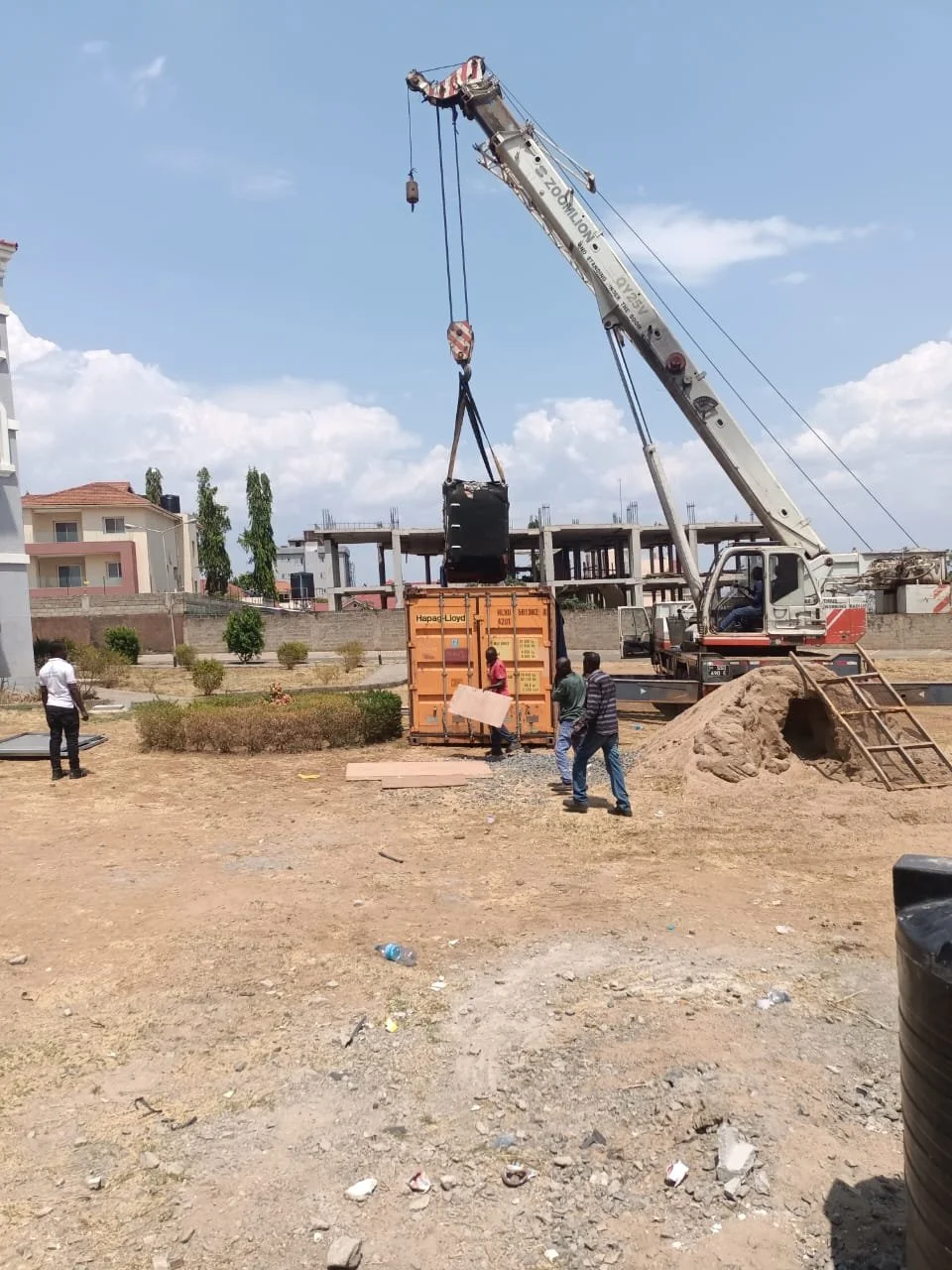
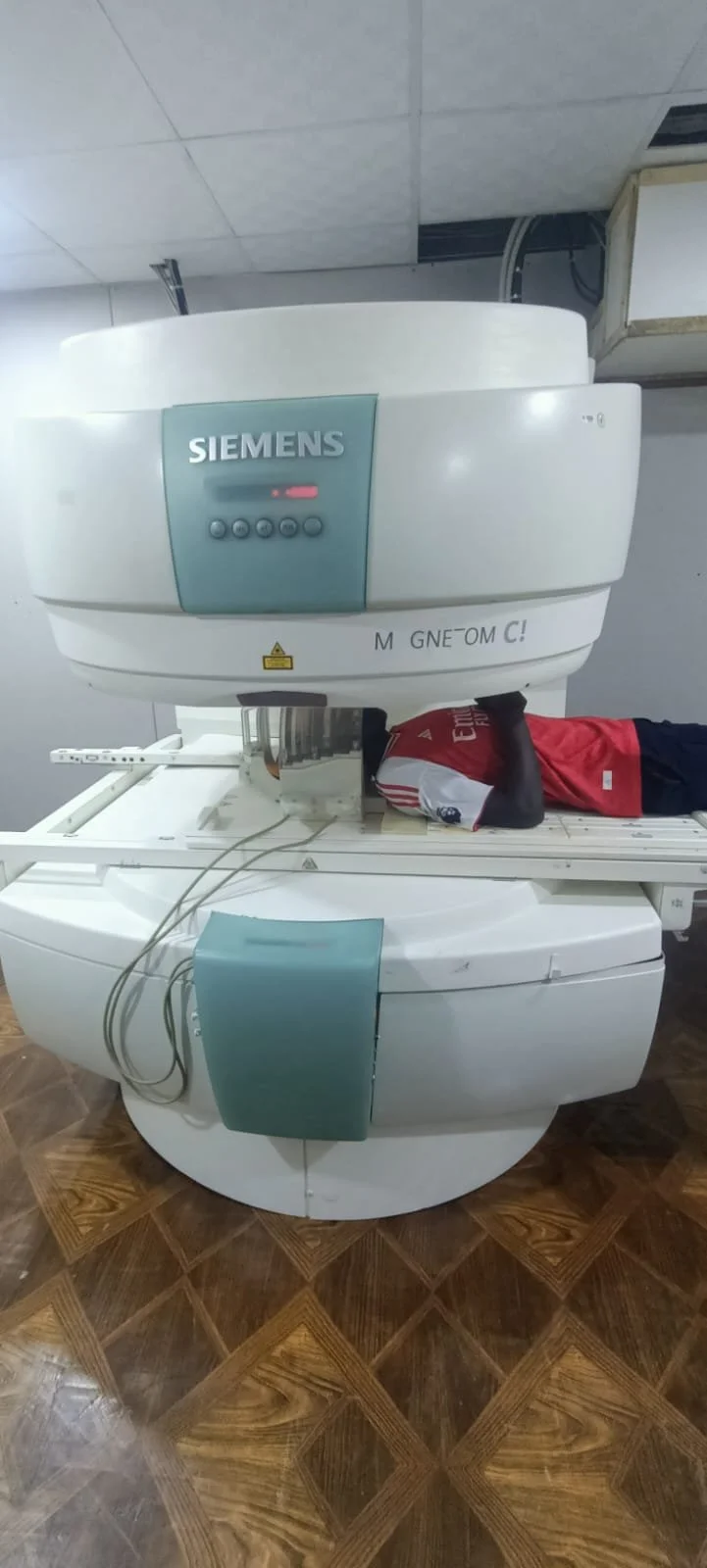
At Rising Medical Technologies we supply, relocate and install MRI systems for hospitals in Africa, the Middle East and the UK. The photos in this guide are from one of our Siemens MAGNETOM C! installations, from the container to the first patient scan.
1. Choosing the right MRI for the site
The right scanner depends as much on the site as on the clinical need. A 1.5T superconducting MRI gives the best image quality, but it depends on liquid helium, a cold head and a helium compressor and water chiller that must run 24 hours a day. In regions where helium deliveries are slow and power is unreliable, that adds real cost and risk.
A permanent-magnet open MRI, typically 0.3T to 0.4T, needs no helium and no quench pipe, uses much less power and is comfortable for claustrophobic, larger and paediatric patients. For routine spine, brain and joint imaging it is often the most practical first MRI for a new imaging centre. We help each client choose based on patient volume, the type of scans needed, budget and site conditions. Use our CT & MRI price calculator for typical turnkey costs.
2. Power supply and voltage stability
MRI electronics are sensitive to voltage drops, spikes and outages. Frequent power cuts can damage gradient and RF amplifiers, corrupt data and interrupt scans. A permanent magnet also relies on its built-in heaters to stay at a stable temperature; long outages let the magnet temperature drift, and the system then needs time to stabilise before it can scan again.
How we handle it:
We check the site's supply during the survey and specify the correct cable sizes, breakers and earthing.
We recommend a suitably rated voltage stabiliser and an online UPS to protect the computers and magnet temperature control.
We advise on a backup generator with automatic changeover, so the scanner and air conditioning keep running through outages.
3. Heat, humidity and dust
MRI electronics and gradient systems produce a lot of heat, and both the scan room and equipment room must stay within the manufacturer's temperature and humidity limits. High ambient temperatures, humidity and dust lead to overheating, image artefacts and early component failures.
How we handle it: we size air conditioning for the scan room and equipment room separately, recommend a backup unit, and keep dust out with sealed doors and filtered air. Stable conditions are one of the most important factors in long-term reliability.
4. Shipping, customs and heavy-lift logistics
An MRI magnet is one of the heaviest and most valuable items a hospital will ever receive. Whole-body permanent magnets often weigh in the region of 10 to 20 tonnes, so the magnet usually travels in its own container, with the electronics cabinets, table and covers packed separately.
How we handle it:
Professional de-installation, crating and secure bracing inside the container.
Complete shipping documents prepared in advance for customs, including commercial invoice, packing list and equipment specifications.
Coordination with the client's clearing agent and insurance in transit.
A planned final route: road access, crane position, door widths, floor loading and lifting equipment at site.
5. Rigging and handling under engineer supervision
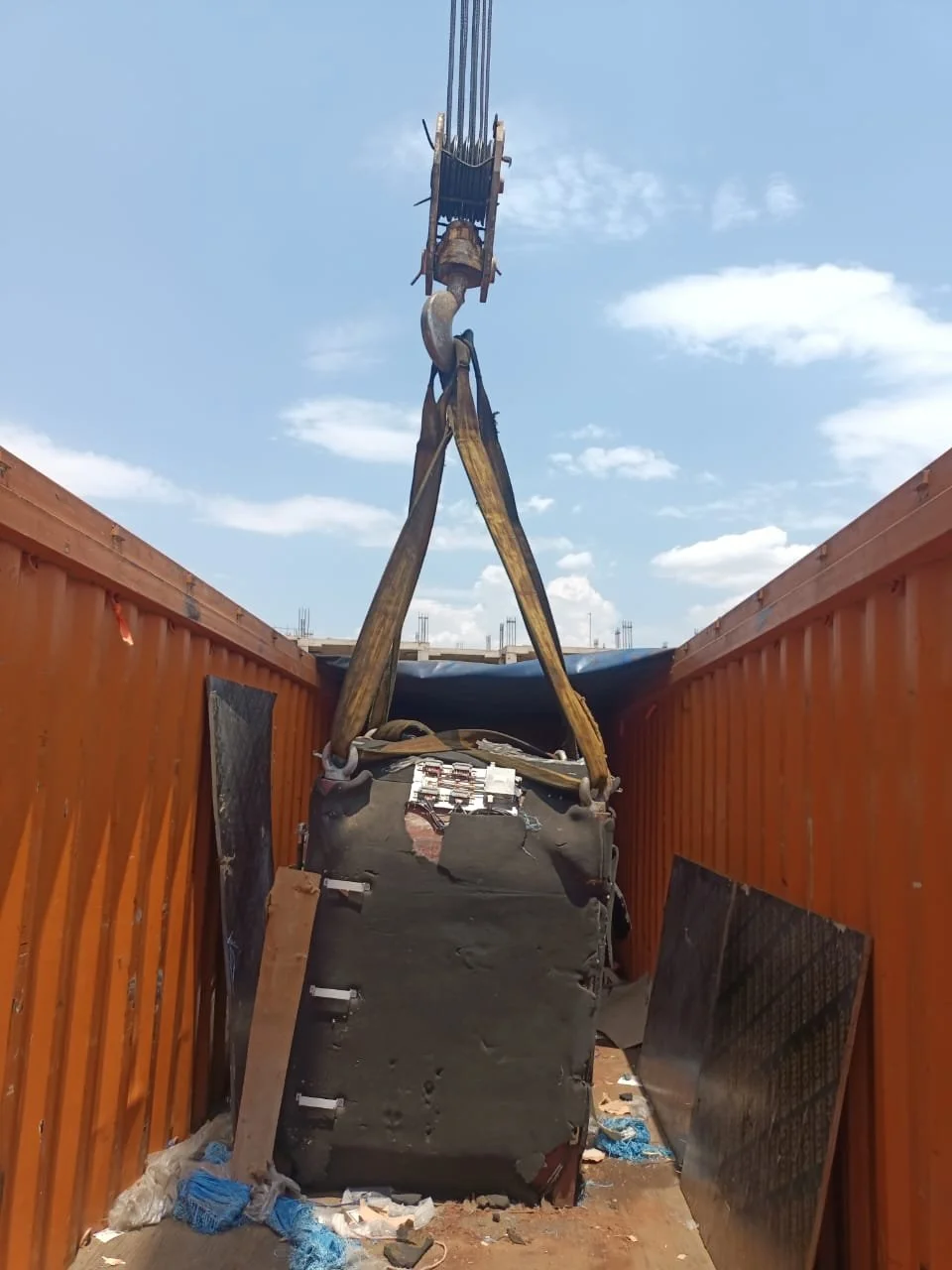
This is where most avoidable damage happens. If general cargo crews are left to unload the container and store the equipment, they often treat it like ordinary freight: wrong lifting points, tilting, dropping and rough storage. For an MRI magnet, a cath lab or angiography system, or a CT gantry, that can mean misalignment, cracked covers, damaged electronics or a failed installation.
A permanent magnet also stays magnetised during transport. Loose steel tools, chains, screws and other metal objects can be pulled towards it with great force, which is a serious safety risk to people and to the magnet.
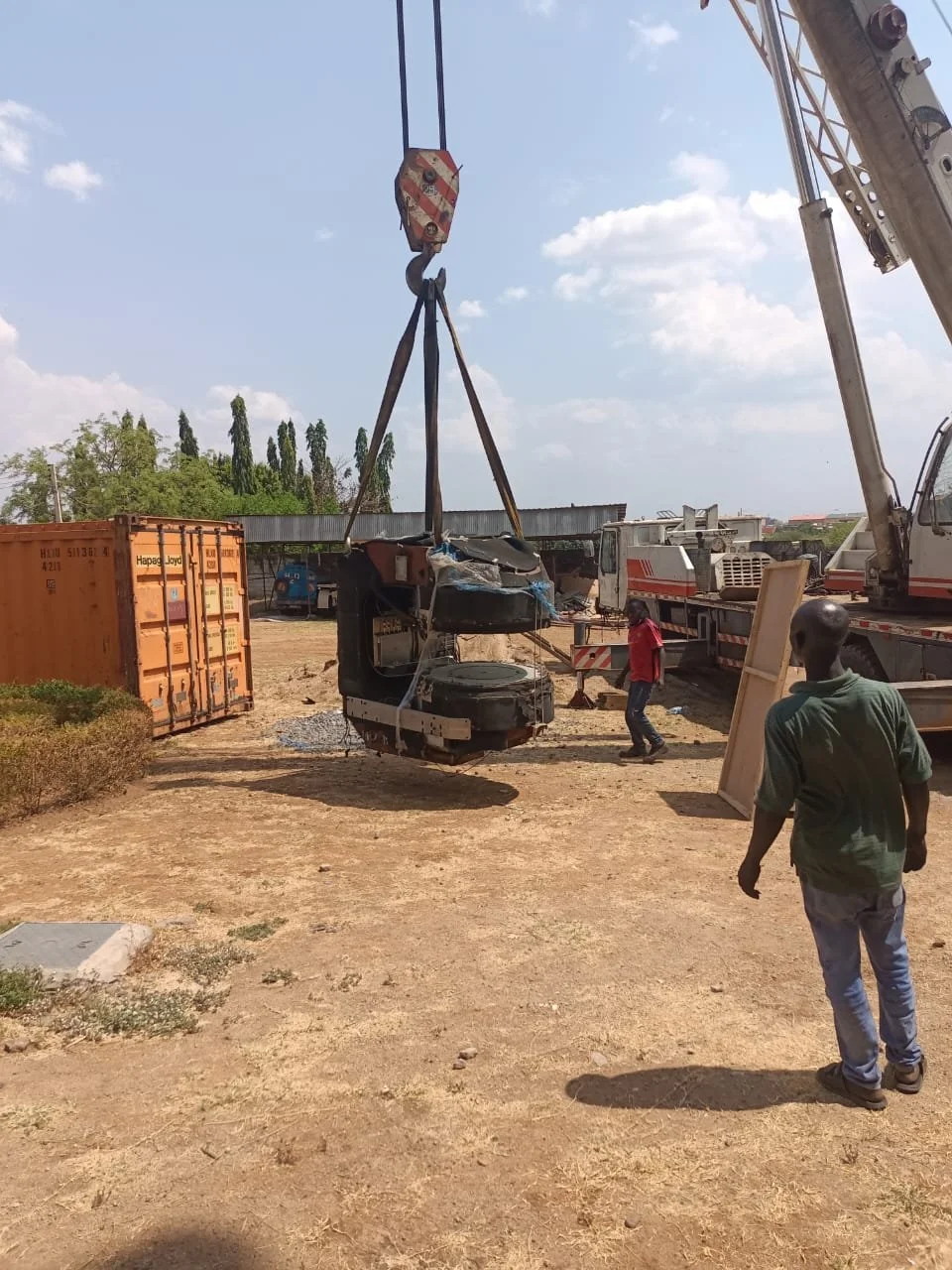
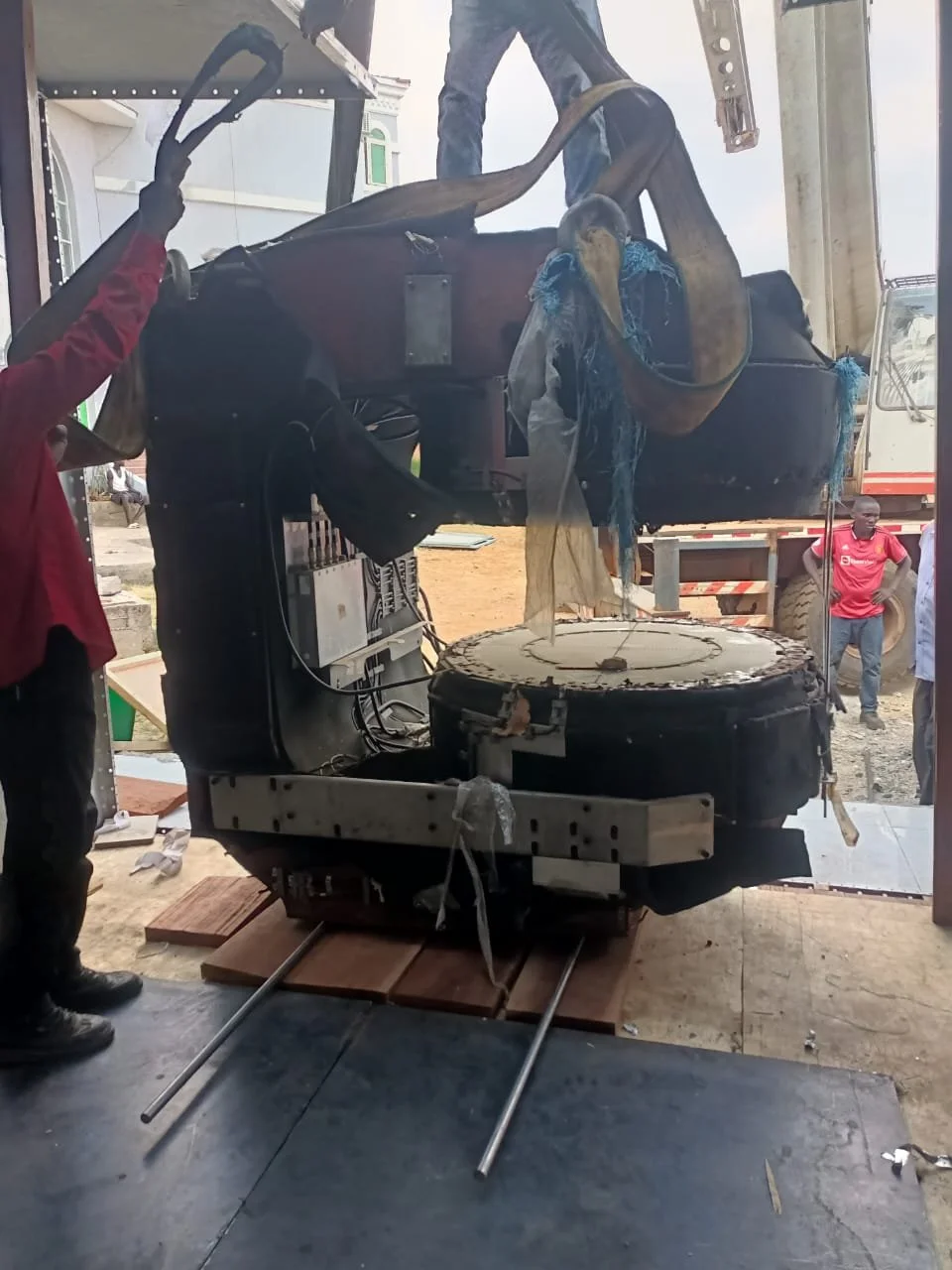
How we handle it: every step, from unloading the container to storage and final positioning, is carried out under the supervision of our own engineers. We specify the lifting points, slings and crane, keep ferromagnetic tools away from the magnet, and control the speed of every lift and move.
6. RF cage and room preparation
Every MRI needs a radiofrequency (RF) shielded room, also called a Faraday cage, to keep outside radio signals out of the images. Many African sites are converting an existing room, so the floor strength, ceiling height, access route and position of the RF cage, waveguides and filter panel all need to be planned early.
How we handle it: as part of a turnkey project we produce the room layout, specify the RF cage, door, window and penetration panel, check the floor loading and guide local contractors through the civil works. After installation the RF cage is tested to confirm it shields correctly.
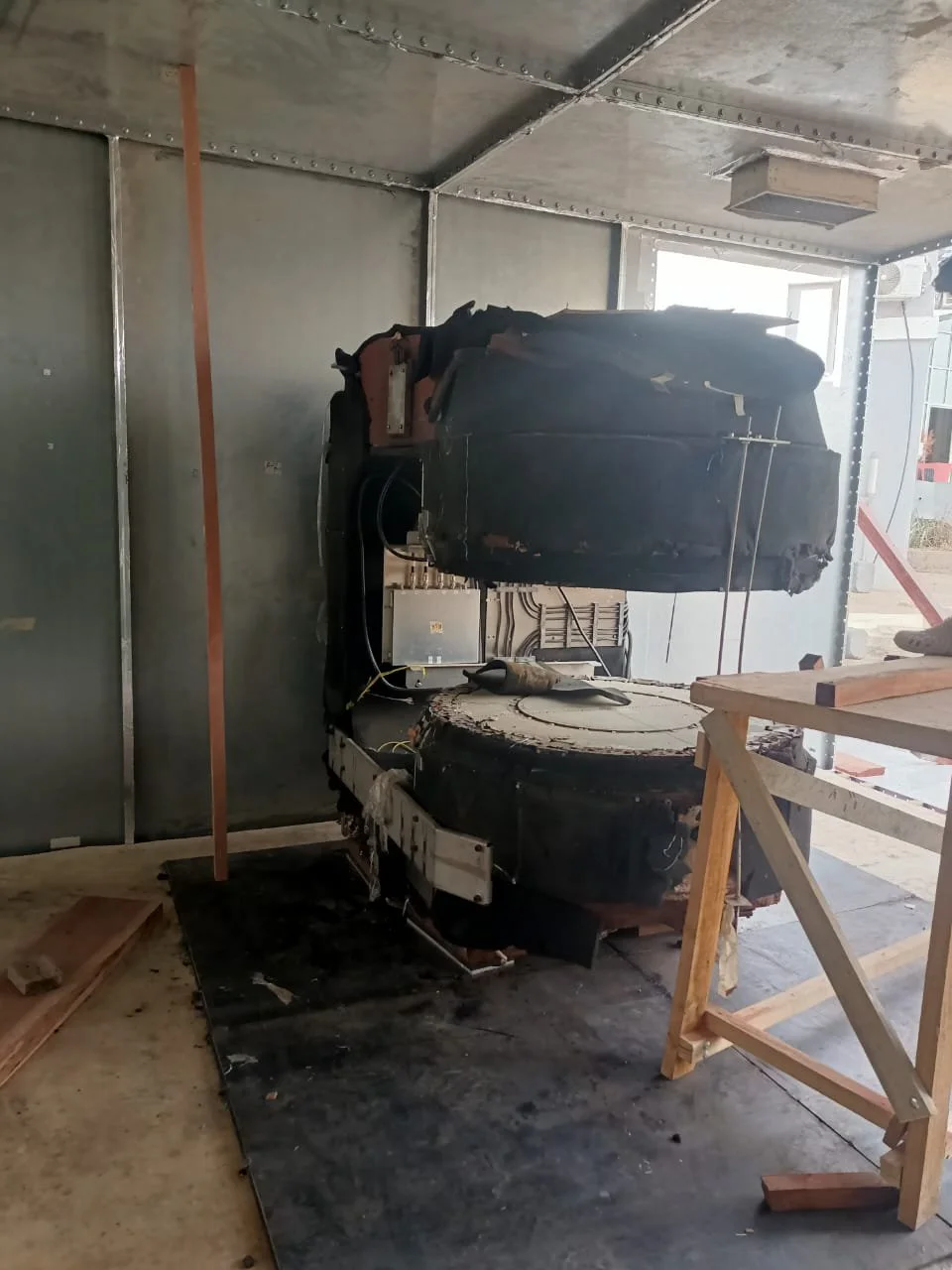
7. Electrical installation and cabling
The equipment room houses the gradient and RF amplifiers, the system computers and the power distribution. Cables run through the RF filter panel into the scan room, and every connection must be correct, secure and properly earthed.
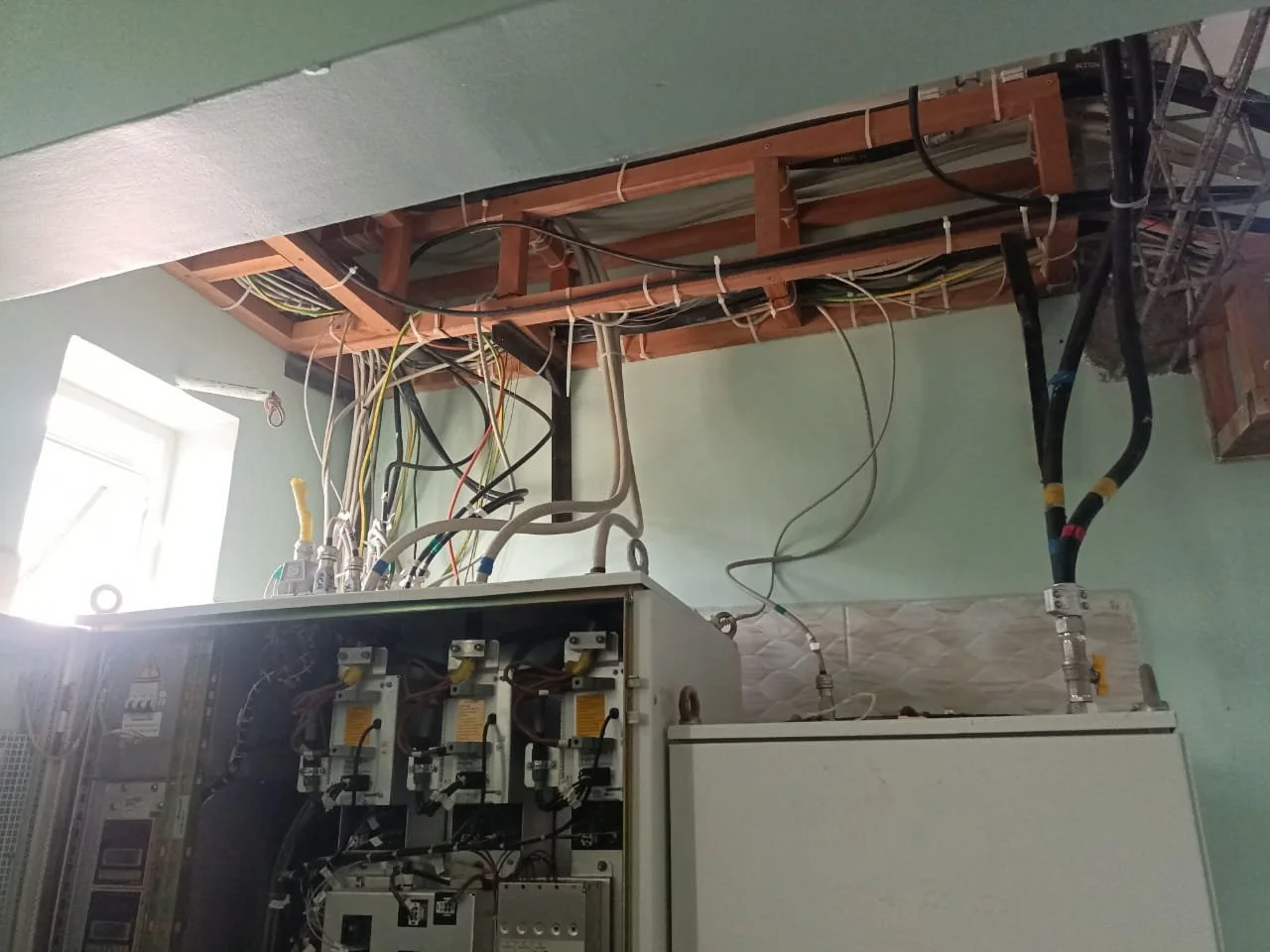
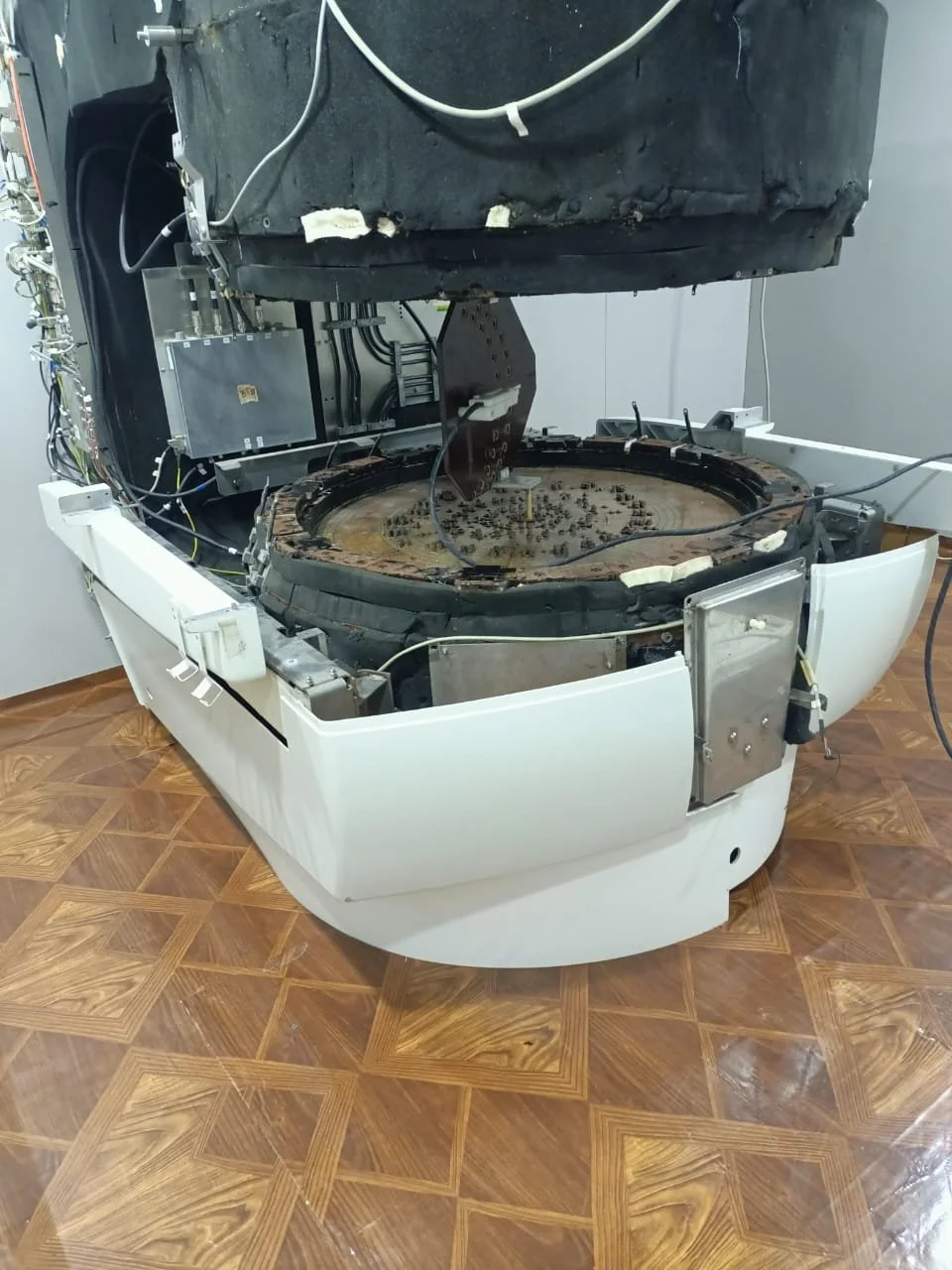
8. Reassembly, shimming and calibration
Once the magnet is in place, our engineers reassemble the system, install the gradient coils, covers and patient table, and connect the electronics. The magnetic field is then shimmed to make it uniform across the imaging volume, followed by RF calibration and image quality testing with phantoms.
9. Regulations and approvals
Unlike CT and X-ray, MRI does not use ionising radiation, so it usually does not need the same radiation licence. However, many countries require import approval or registration of medical devices with the health ministry or a medical device regulator, and some require facility inspection before scanning starts. We provide the technical documentation regulators usually ask for and work with the client's team on local approvals, so the finished room does not sit idle.
10. Training and first patient scans
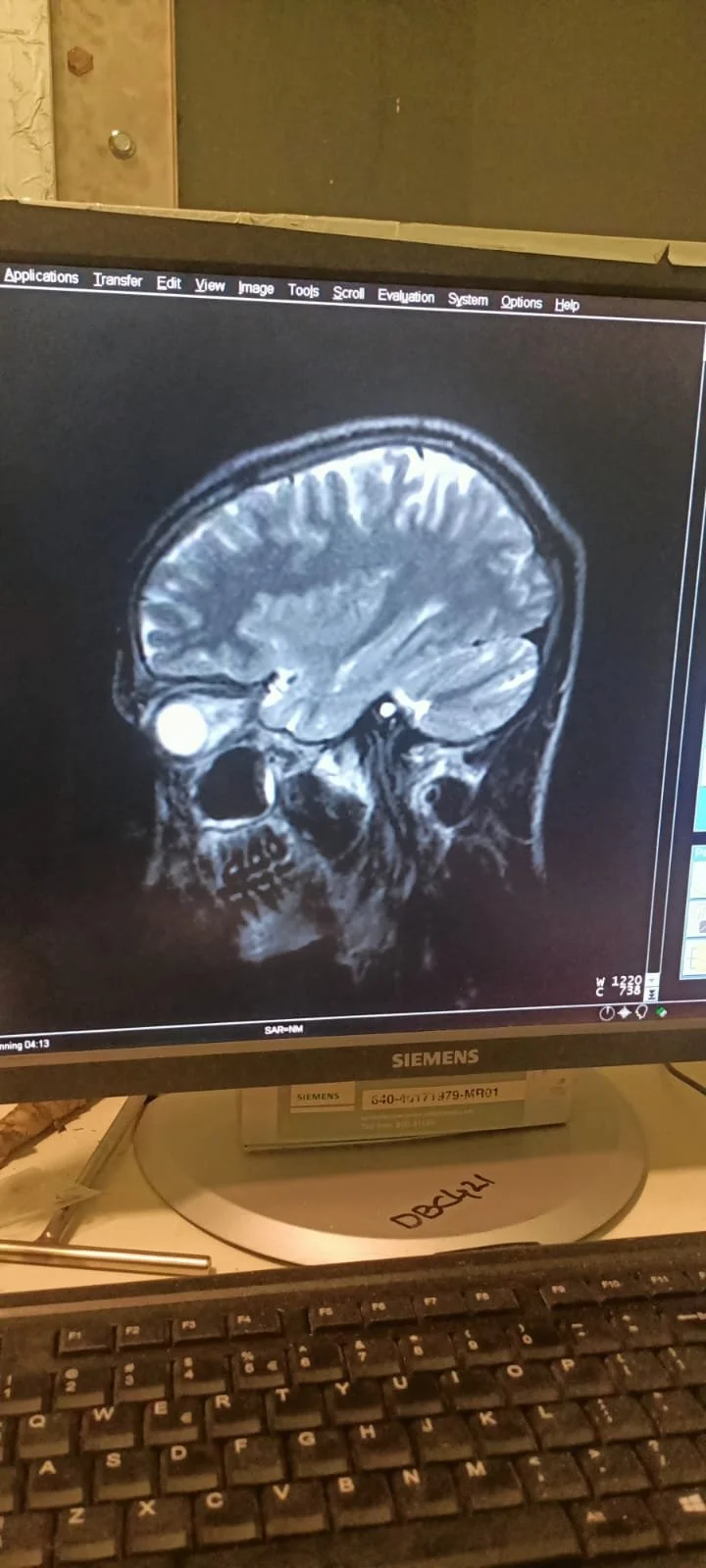
Installation is only finished when the team can scan confidently. We train radiographers on patient positioning, coil selection, protocols, MRI safety screening and daily quality checks. Where a facility does not yet have enough radiologists, our teleradiology service can provide remote reporting so the scanner can serve patients from day one.
11. Service, spare parts and support after installation
The biggest risk after installation is downtime. If a part fails and the nearest engineer or spare part is weeks away, the scanner sits idle and patients are turned away.
How we handle it:
Remote support and diagnostics where the system allows.
A recommended stock of critical spare parts, agreed with the client.
Service contracts and planned preventive maintenance visits.
Regular checks of air conditioning, power protection and magnet temperature.
Frequently asked questions
Which MRI is best for a hospital in Africa?
It depends on the clinical need and the site. For many new imaging centres, a helium-free permanent-magnet open MRI of 0.3T to 0.4T is the most practical choice because of its low running costs and simple siting. Busy hospitals that need advanced neuro, cardiac or body imaging may need a 1.5T system with a reliable helium supply and power backup.
How long does an MRI installation take?
It depends on the condition of the room. If the RF cage, power and air conditioning are ready, mechanical installation, calibration and training usually take a few weeks. Room preparation and approvals often take longer, so we plan them in parallel with shipping.
Does an MRI need a special room?
Yes. It needs an RF-shielded room, a floor that can carry the magnet's weight, an equipment room, stable power and air conditioning, and controlled access for MRI safety.
Why does MRI handling need engineer supervision?
MRI magnets are extremely heavy and precise, and a permanent magnet is always magnetised. Wrong lifting points, tilting or rough storage can damage the system, and loose steel objects near the magnet are a safety hazard. Supervision by MRI engineers prevents these problems.
Do you install MRI scanners outside the UK?
Yes. We supply and install MRI and CT systems for hospitals and diagnostic centres across Africa, the Middle East and the UK, including shipping, rigging, RF shielding, installation and training.
Planning an MRI project in Africa?
Rising Medical Technologies supplies new and refurbished MRI scanners with full turnkey installation, training and after-sales support. See our MRI scanners, read how we handle CT installations in Africa, request a shipping quote, or contact us on WhatsApp, phone or email to arrange a site survey.
